West Ridge Community Center
Highland Park, Illinois
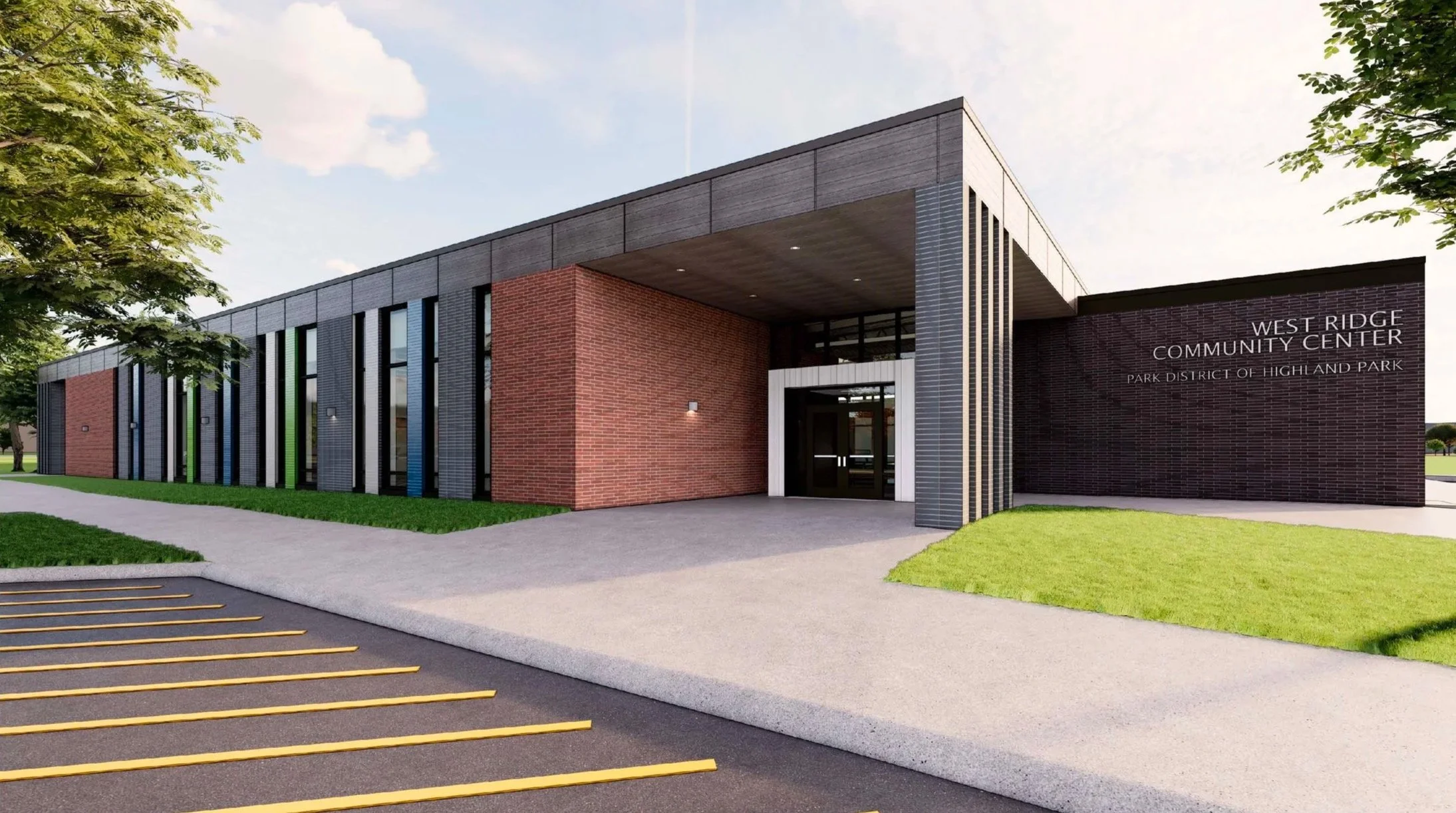
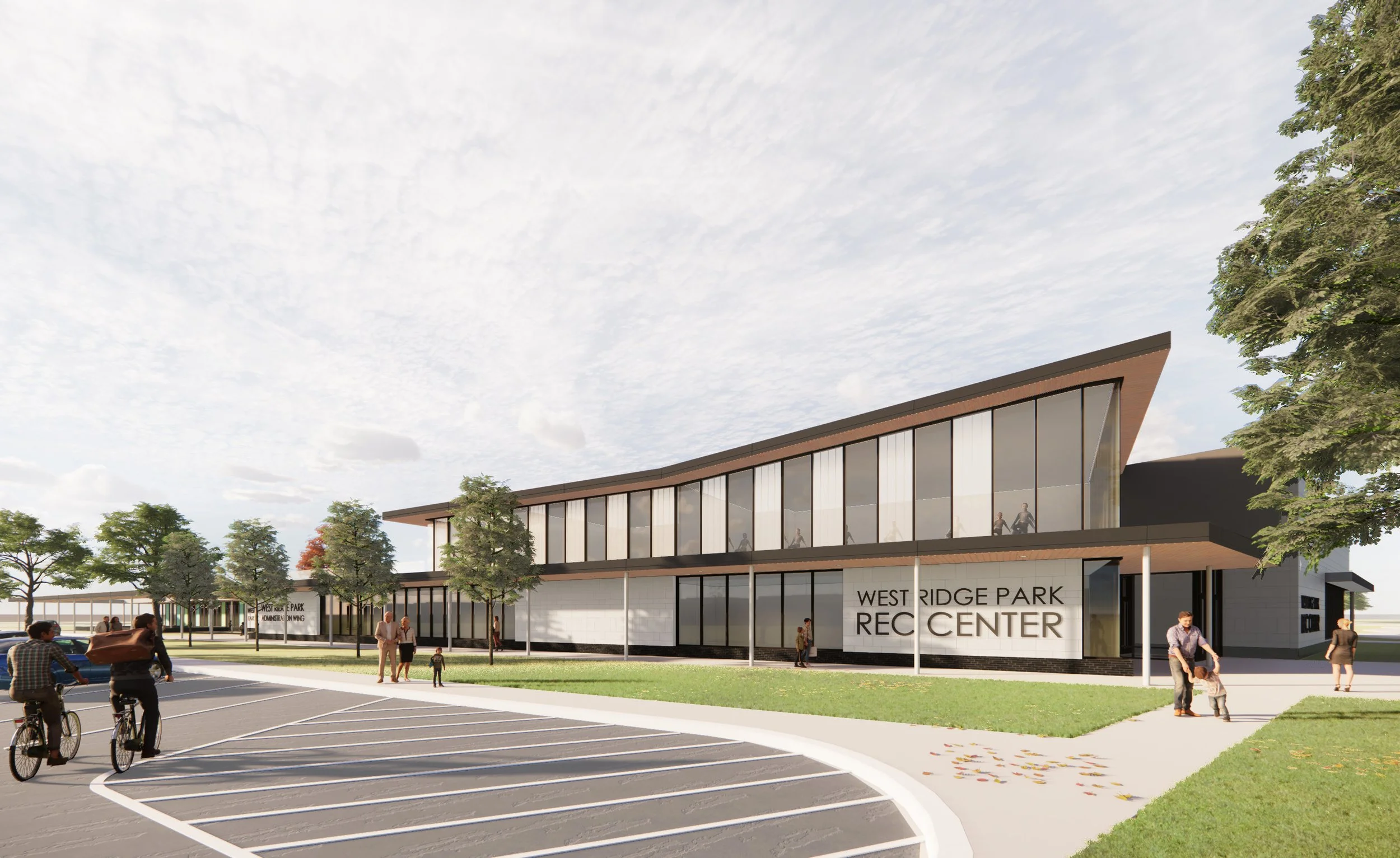
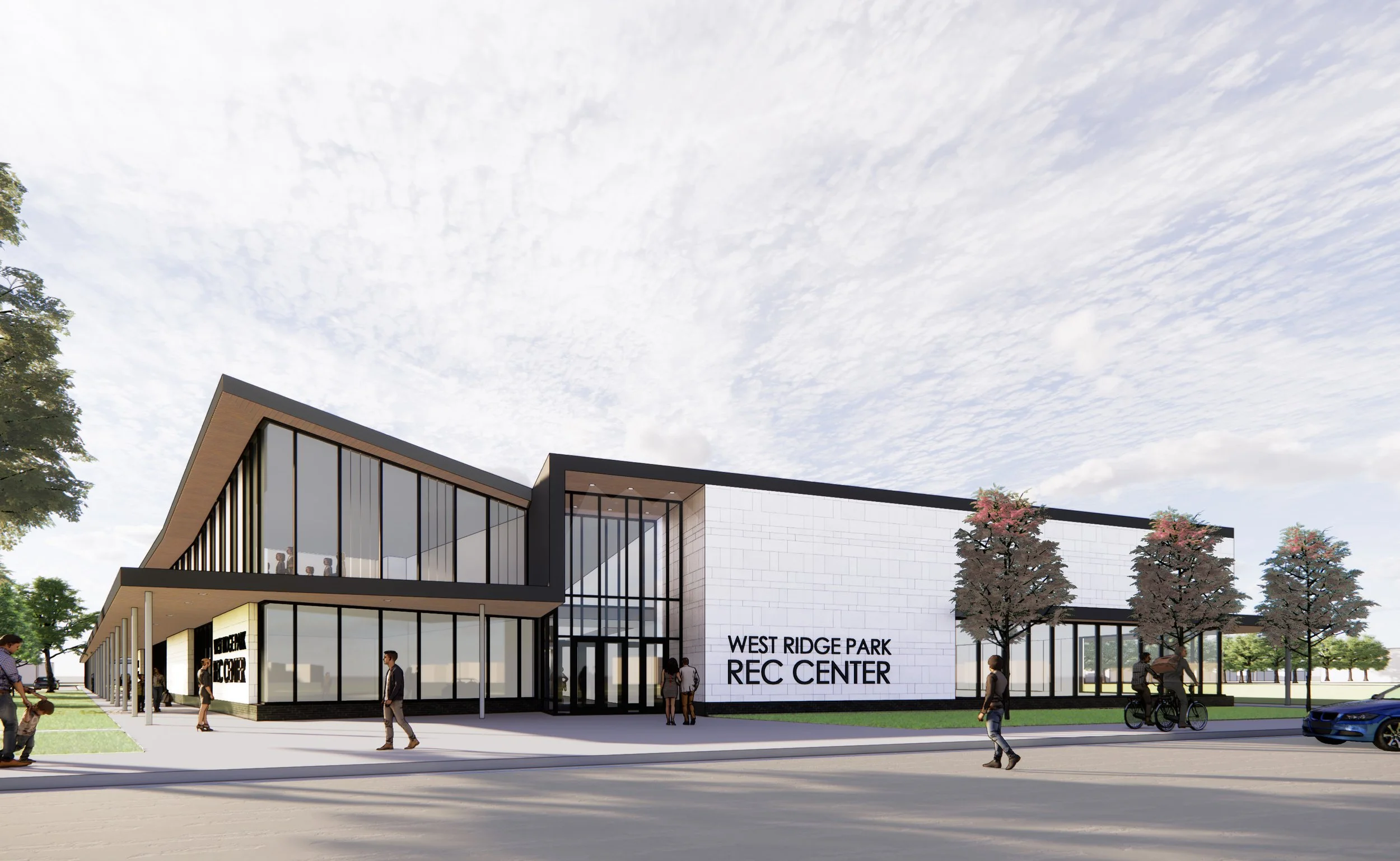
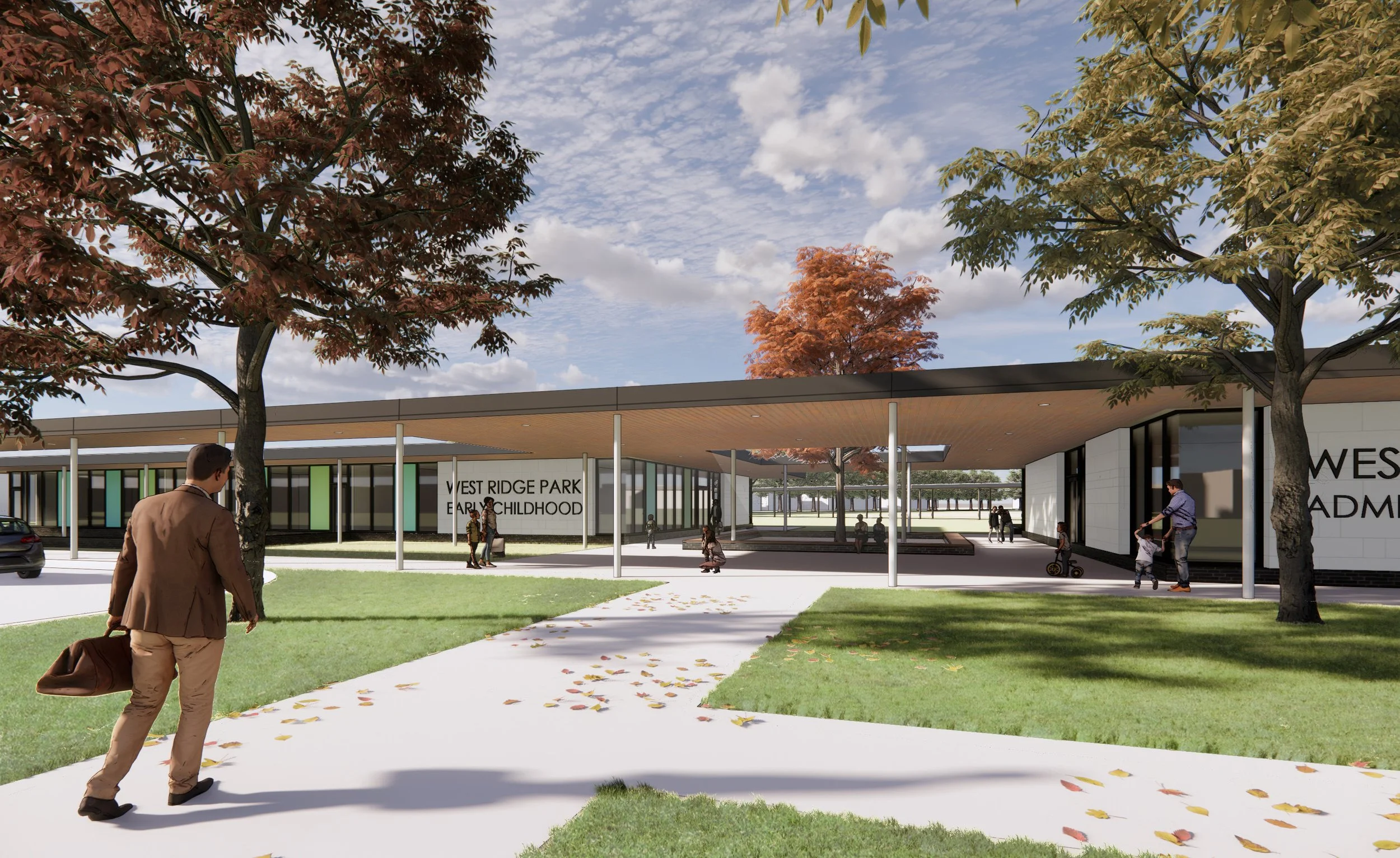
The new Community Center at West Ridge Park is the result of a comprehensive planning, programming, and design process that transformed a long-term vision into a community-centered destination for recreation, wellness, and lifelong learning. Rather than beginning with assumptions about a building solution, Holabird & Root partnered with the Park District of Highland Park to first understand how the community uses recreation today—and how those needs will evolve in the future. Through an extensive, data-driven engagement process, the team established a clear roadmap that guided every decision, from facility programming and site selection to budgeting, design, and implementation. The result is a flexible, state-of-the-art community center designed to serve residents for generations while supporting the Park District's broader strategic goals.
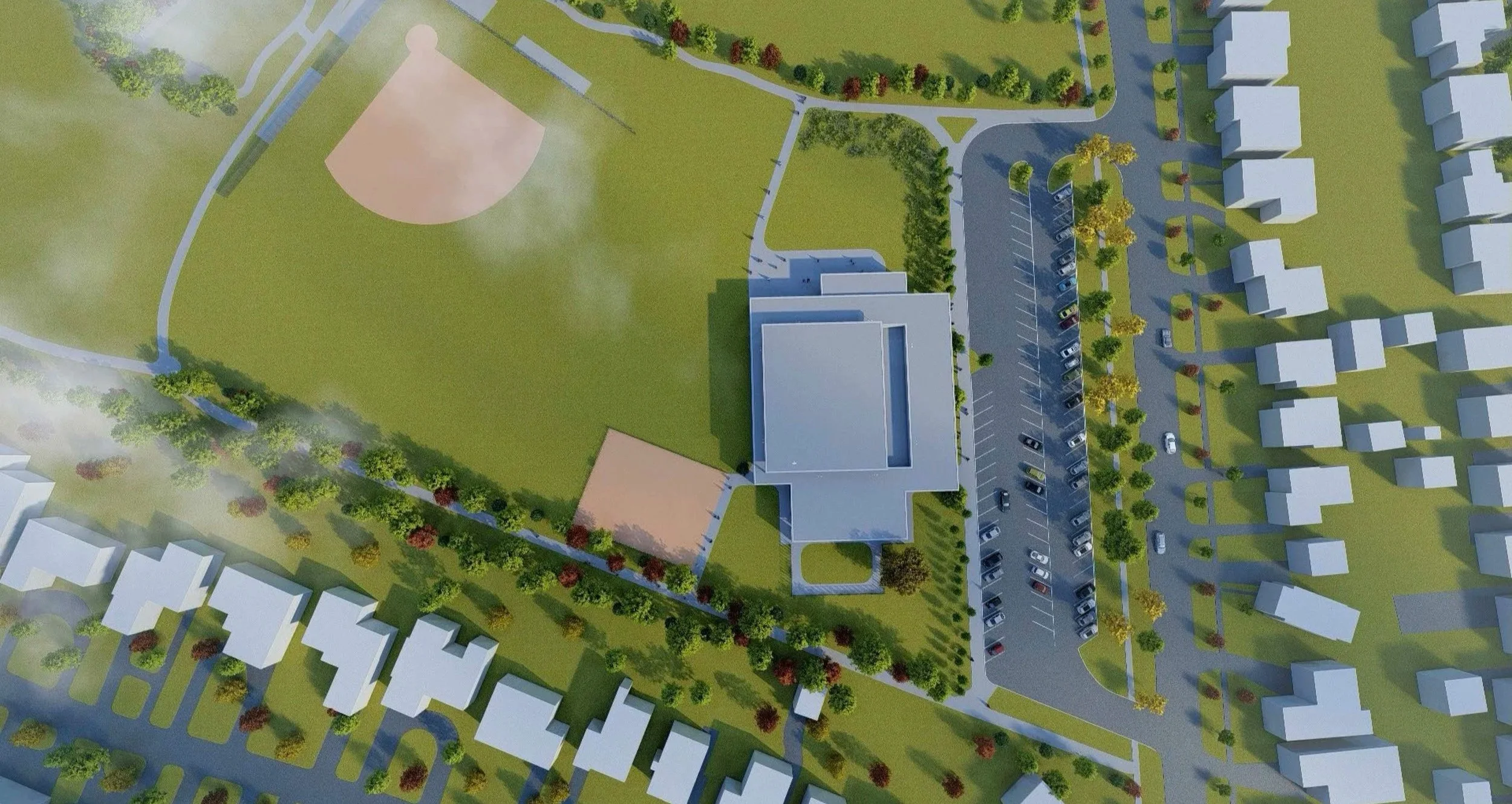
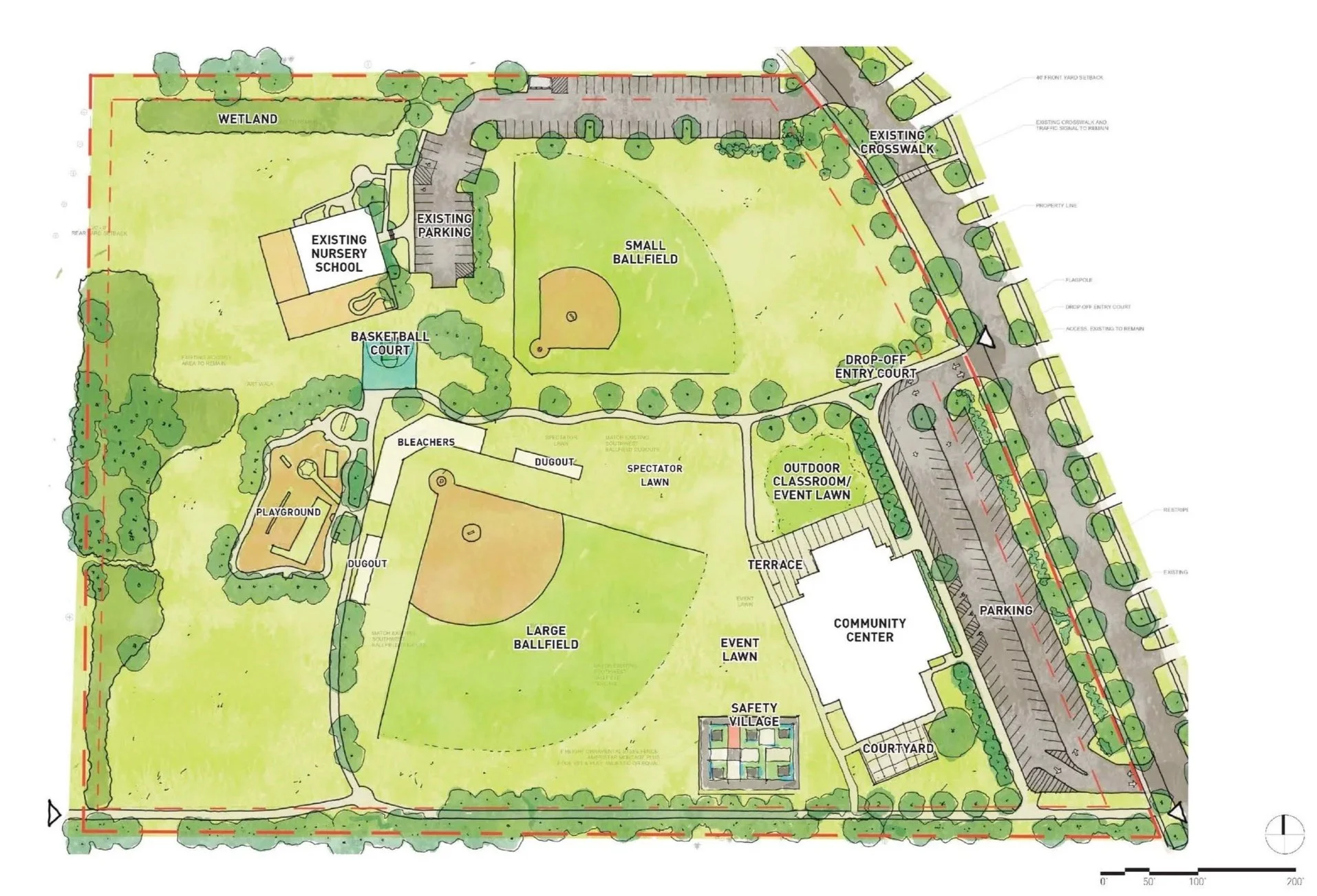
The project began with a fundamental question: should the Park District renovate its aging facilities or invest in an entirely new community center? Answering that question required far more than a building assessment. Holabird & Root led a comprehensive feasibility and visioning process that examined existing facilities, evaluated utilization patterns, identified service gaps, and aligned future needs with the Park District's Strategic Plan, Master Plan, and Sports Field Master Plan.
Community engagement became the foundation of the project. Through one-on-one interviews, staff workshops, focus groups, stakeholder meetings, and public forums, Holabird & Root worked to build consensus around a shared vision for the future of recreation in Highland Park. Administrators, staff, parents, user groups, and community members all contributed valuable perspectives that helped redefine program priorities and identify opportunities that had not previously been considered.
Rather than simply collecting feedback, the design team translated community input into measurable data that could be evaluated, compared, and prioritized. Program requests were organized into a comprehensive database that allowed the Park District to understand relationships between spaces, compare competing priorities, and make informed decisions about the overall scope of the project. This analytical approach transformed community aspirations into an integrated building program grounded in both operational needs and financial realities.
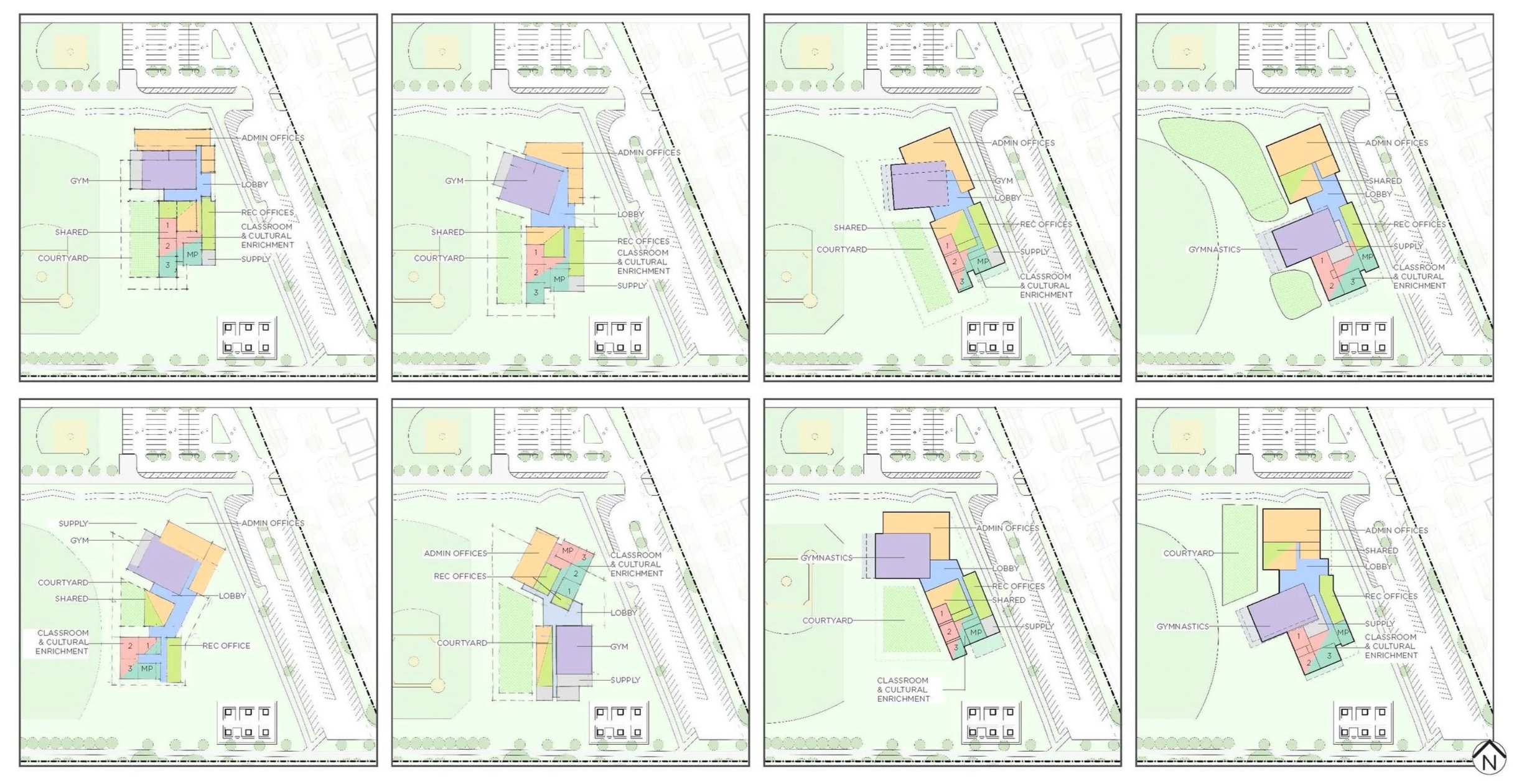
Central to Holabird & Root's process was an iterative design methodology. As programming discussions evolved, design concepts were developed simultaneously through a series of test fits that evaluated the size, relationships, circulation, and functionality of proposed spaces. Each iteration served as a proof of concept, verifying that program ideas could realistically be accommodated within the available site, budget, and project goals. Programming informed design, while design continually validated the program, creating a highly collaborative feedback loop that strengthened every subsequent decision.
With confidence established in the building program and spatial organization, the team expanded its efforts to evaluate potential building sites through zoning analysis, site planning, and multiple program test-fit scenarios. These studies ensured the selected location could support both the new facility and its associated recreation amenities while integrating thoughtfully with the surrounding neighborhood.
Throughout the process, Holabird & Root also developed order-of-magnitude cost models that aligned project scope with available capital funding. By integrating programming, design exploration, and cost estimating into a single decision-making framework, the Park District was able to make informed choices that balanced community aspirations with long-term financial stewardship.
The resulting Community Center at West Ridge Park represents far more than a new recreation facility. It embodies a planning process rooted in collaboration, evidence-based decision making, and continuous testing of ideas—resulting in a flexible, sustainable destination that can adapt to changing recreation trends while strengthening the Park District's role as a vital community gathering place.